THE ANTIGONE PROJECT (2010 – 2012) was a collaborative project between Dorinda Hulton and Echo Arts. It aimed to explore ways in which creative artists can contribute to a growth in understanding between peoples of different faiths and cultures.
In it, the proposed framework for a ‘new aesthetic’ for creating performance in a conflict zone was tested and analysed.
The United Nations Committee for Missing Persons acted as facilitators and advisors to the project, which was granted awards from the Ministry of Education and Culture, Cyprus, and the Mark Ward Fund.
The project extended the work in THE ONE SQUARE FOOT PROJECT further and began with a cross border inter-arts investigation entitled The Silence of Eurydice (2010), based on fragments of Sophocles’ Antigone.
The project continued with Collateral Damage (2011) which drew on material generated in The Silence of Eurydice. This piece was presented at the DANCE/BODY AT THE CROSSROADS OF CULTURES Conference (Nicosia) as a keynote performance, and subsequently performed in the buffer zone.
Further dissemination of THE ANTIGONE PROJECT is through publication of a chapter entitled The Silence of Eurydice: Case Study for a ‘topology of democracy’ in the forthcoming Classics in the Modern World (eds. Lorna Hardwick and Stephen Harrison) Oxford University Press (2013). Areas which are opened up for discussion in this chapter relate to a topology of ‘democracy’ within the field of practice-as-research in performance, in which the project acts as a case study. In particular the notion of a ‘new aesthetic’ for creating performance in a conflict zone, and the three principles I have proposed as a framework for this ‘new aesthetic’, are explicated as attempts to democratise not only the subject matter of performance, but also the processes of creating it, and the structural form(s) it might take. Further discussion seeks to place the project within its broader aim, that is, the application of the project’s experiments within the public domain – over a period of time – to invite the reflective and fluid participation of communities from both sides of a conflict zone. Ultimately the project seeks to affect power relations at a micro political level.
A conference paper presented at the Open University International Collaborative Research Conference ‘Classics in the Modern World – A Democratic Turn’
- Dorinda Hulton 2010:
The Silence of Eurydice was a practice-as-research project [1] inspired by the character of Eurydice who appears unexpectedly at the end of Sophocles’ Antigone and is unable to speak on hearing news of the death of her son. It took as its source material fragments from the play translated into three languages: Greek Turkish and English.
The project aimed to explore ways in which creative artists can contribute to a growth in understanding between peoples of different faiths and cultures. [2] It took place on either side of the military border in Cyprus, in May 2010, and was located in Nicosia, the last divided capital of Europe. The complexity of division within the city is multi-layered with the predominantly Turkish Cypriot community living in the north, the predominantly Greek Cypriot community living in the south, the United Nations controlling the buffer zone between them, and macro political forces – including those of Greece, Turkey, the USA and the UK – historically and contemporaneously exerting their vested interests. Added to this, the city is geographically, and ethnically, situated at a crossroads of cultures, with significant numbers of immigrants and minority groupings including Armenians, Philippinos, Bangladeshis and Chinese, living side by side, on both sides of the border. On both sides of the city, and in the whole island, too, there are deep political divisions between and within communities, and even families, with a left wing allied to Marxist Leninist principles and a sense of global connection, and a right wing identified with the two perceived motherlands, Greece and Turkey.
In the midst of this complexity and division, then, The Silence of Eurydice acted a small scale pilot for THE ANTIGONE PROJECT which, as a whole, focuses on the need for burial, this theme being integral to Sophocles’ play, as well as to the lived experience of the Muslim and Greek Orthodox communities since the inter-communal troubles began in 1963, and also resulting from the Turkish invasion in 1974. After these two dates, many hundreds from both sides in Cyprus were designated missing, hidden and unburied, and it was this shared experience concerning the need for burial which underlay all of our work in the project. In relation to this need within a contemporary context, we were indebted to the United Nations Committee on Missing Persons in Cyprus (CMP) for their knowledge and advice. In particular the research was enriched and informed by the relatives of missing persons who consented to meet with us, and share their experiences concerning the need for burial, with such dignity and humanity.
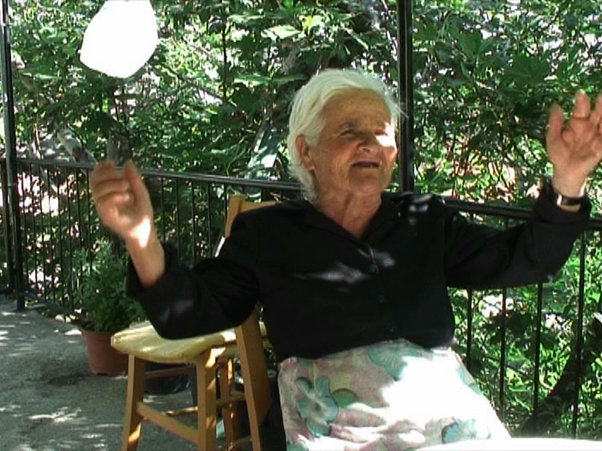
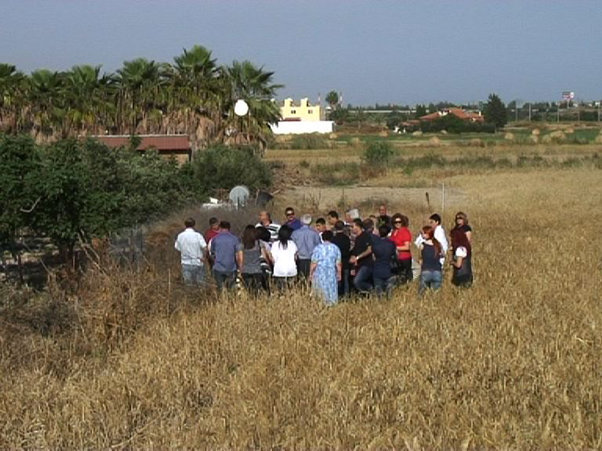
From the Turkish Cypriot community we met with Celâl Dimililer who lost his father in 1963, at the age of 8; and from the Greek Cypriot community we met with Kyriakou Antoniou, who lost her son in 1974. In both cases the bones of their loved ones were exhumed, identified and buried within the two respective traditions earlier this year, after more than forty years of disappearance. In this first clip, you will see each of them and catch a glimpse of their stories. More importantly perhaps, you might sense the lived experience which unites them, rather than the divisions between them. Following the clip of the Turkish Cypriot, Celâl, there is a short section of film showing a gathering, in which we accompanied relatives of the dead to a mass grave where the bones of Celâl’s father were found.
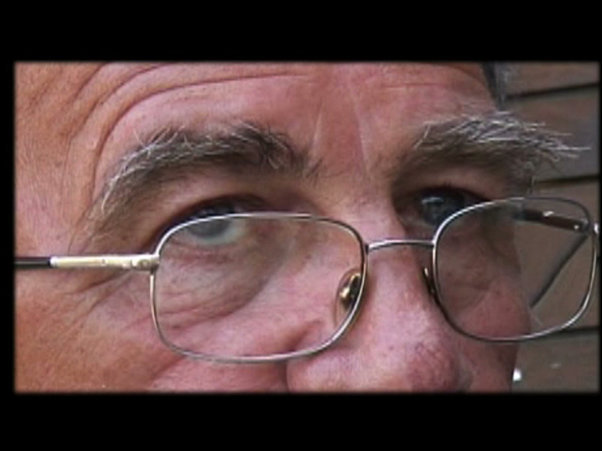
In the project, fragments of Sophocles’ play were used as inspirational springboards for an exploration of democratic processes relating to three principles that I have proposed as guidelines towards a ‘new aesthetic’ for creating performance in a conflict zone. These three principles have emerged out of my work with creative artists in Cyprus since 2003, and they are essentially relevant to the making of intercultural performance using inter-arts methods. I have already mentioned the first principle, namely: artistic representation of shared content and concern. The second principle is related to an exploration of artistic process, and the notion that creative artists from both sides of a conflict zone, and from different art forms, work together in non-hierarchical ways. [3] Then, the third principle has to do with a multilingual approach that allows space for the voices of ordinary people – such as those of Celâl and Kyriakou – to be heard on a micro-political level. Hence, in the first week of the project we interviewed a number of people concerning the need for burial including Celâl and Kyriakou, as well as representatives from the CMP. We also documented extended interviews with a Greek Cypriot priest [4] and the Director of Funeral Services in the Turkish Municipality of Nicosia [5] who gave us their insight into burial customs within the Greek Orthodox, and Muslim traditions.
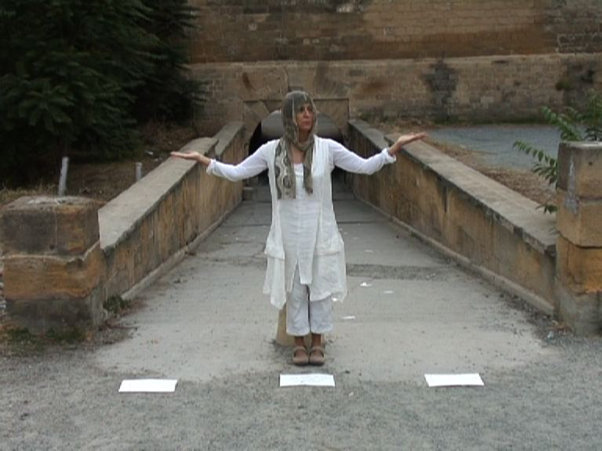
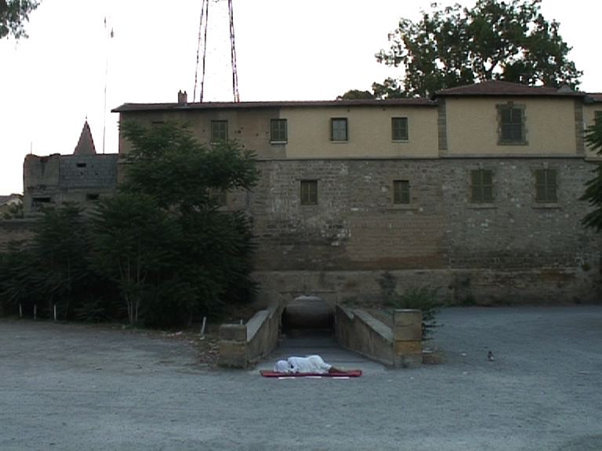
In the second and third weeks of the project, the silent figure of Eurydice was embodied through solo performance in outdoor sites on both sides of the military border, and in the buffer zone. In this second clip you will see glimpses of two of these ‘micro performances’ presented at Paphos Gate in the south, and Kyrenia Gate in the north. The two glimpses of the character correspond to Eurydice’s two appearances in the play: the first is when she appears unexpectedly, outside the palace and after speaking a few words in that public place, is silent on hearing news of the death of her son; and the second is when her dead body is publicly revealed, and she is again silent, this time in death. The performer is the choreographer and dancer Arianna Economou, and her gestures in the first micro performance are a translation of Eurydice’s few spoken words into movement. The words on her hand, which she places over her face as a mask, are in the ancient Greek script and belong to the Chorus in the play. Within Michael Ewans’ Everyman translation they read as ‘There is great danger in so long a silence.’ The same words in Greek, Turkish and English were also written on three sheets of card at the performer’s feet, and on paper leaves scattered along the pathway leading from Paphos Gate. In effect they were intended to allow the performer both to embody the silence of the character, and also, at the same time, to question what her silence might mean in a contemporary context. [6] The video treatment is by the documenter and video artist, Peter Hulton. The first glimpse occurs at dawn, and the second at midday.
The micro performances at sunset were in outdoor sites in the buffer zone where visual documentation is not permitted. [7] These performances were not without their dangers, and we were questioned with some persistence by two secret policemen from the Turkish side, particularly regarding the written statement: ‘There is great danger in so long a silence’. Why had we written it down? Why was it in three languages? Why was it lying on the ground? What did it mean?’ The ingenuousness of the explanation that it was line 1256 from an ancient Greek play by a man called Sophocles, seemed inadequate in that intensely contested zone where in recent memory a young Greek man was shot, and killed, for attempting to lower the Turkish flag. In fact, the line was chosen partly because it is central to Eurydice’s scene in the play, and her status as a woman – but also because of its association with the so called ‘zones of silence’ in Cyprus regarding the unburied dead which are spoken of in Sevgül Uludağ’s book Oysters with the Missing Pearls. This book which tells stories of missing persons, murders and mass graves explains these ‘zones of silence’ as being long standing and mutually constructed to protect those who have committed the crimes associated with the unburied dead. Why speak, when to speak is to implicate yourselves, to admit your own culpability? As with Teiresias, the argument for breaking such silences is a matrix related to pollution, the need for acknowledgement, and the capacity for a society, and the individuals within it, to be healed, to move forwards into the future.
As I have mentioned in the introduction to this paper, The Silence of Eurydice was a small scale pilot for THE ANTIGONE PROJECT which, as a whole, seeks to explore ways in which creative artists can contribute to a growth in understanding between peoples of different faiths and cultures; and also to affect power relations at a micro-political level by inviting reflective engagement with communities on both sides of a conflict zone.
I will let three tiny moments from our micro-performances in sites either side of the buffer zone – and in the buffer zone itself – speak for themselves:
At Paphos Gate at dawn, a north African man – seeing the Greek Cypriot dancer lying on the ground – calls out to us as he speeds along the road, ‘My friend, my friend, is she dying? Is she dead?’
At Kyrenia Gate at midday, three Bangladeshi men, ask ‘Is she sick?’ and look ashen when I say ‘No, she is dead’.
At sunset in the buffer zone, a Turkish Cypriot man stands for a long, long time looking at the ‘dead’ body of Eurydice lying on the ground, whilst reading, and re-reading, Sophocles’ text beside her in three languages: ‘It is no longer hidden. You can see’. ‘Who is she?’ the man asks eventually. I explain that the dancer Economou represents a character from an ancient Greek play who has heard news of the death of her son. ‘It’s the same’ the man says slowly, pointing to the same words in Greek, Turkish and English. ‘Yes. It’s the same’ I say. Then he falls silent again for a while. Finally, he puts his arm around my shoulder. ‘Good’ he says, and goes on his way.
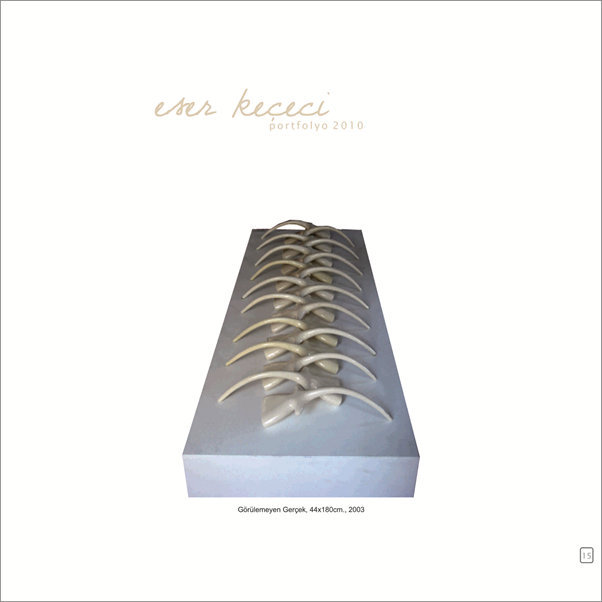
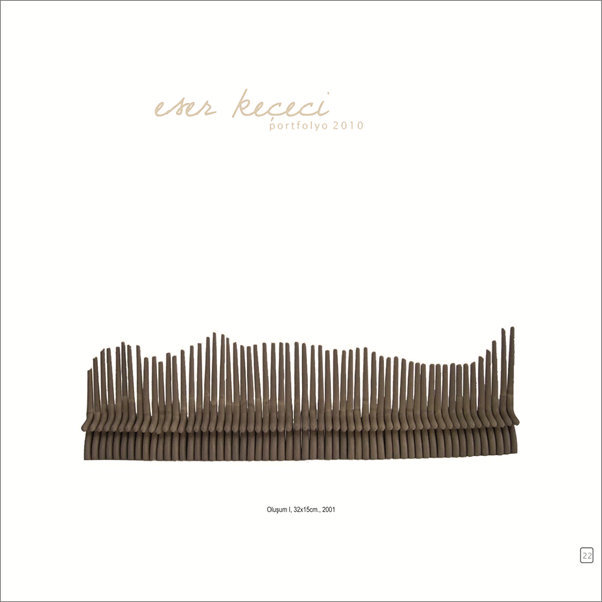
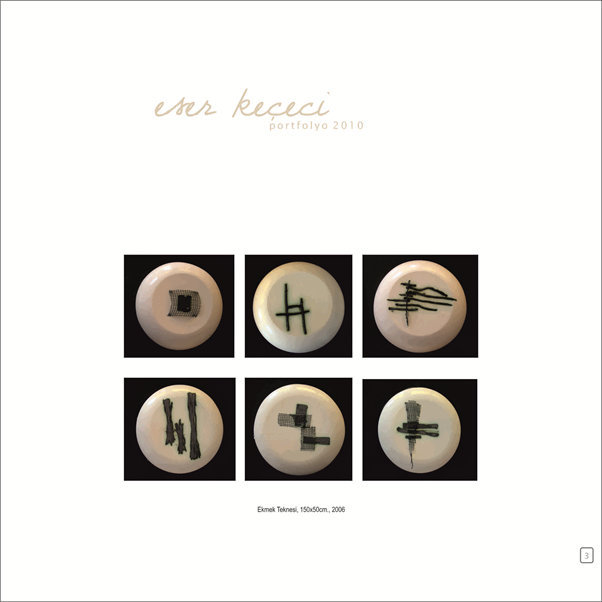
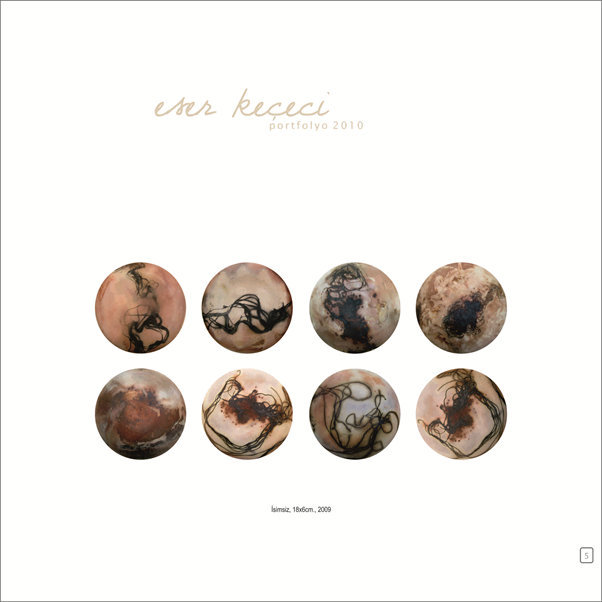
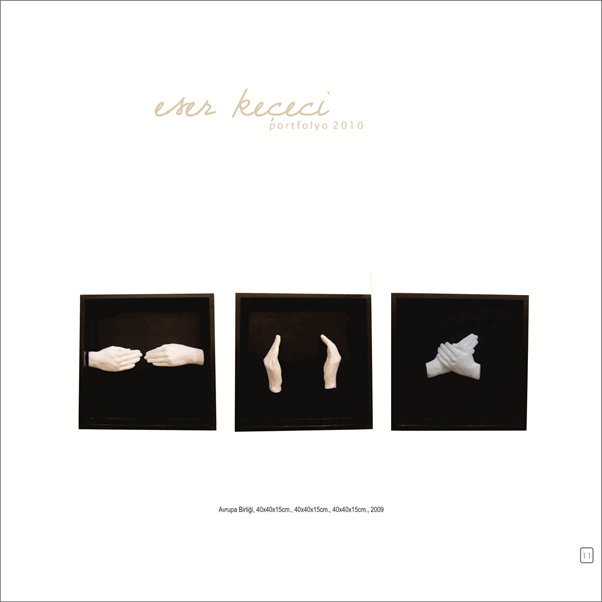
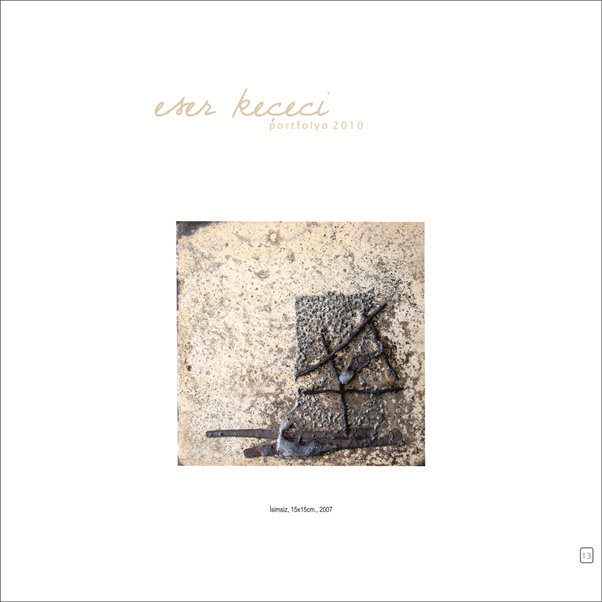
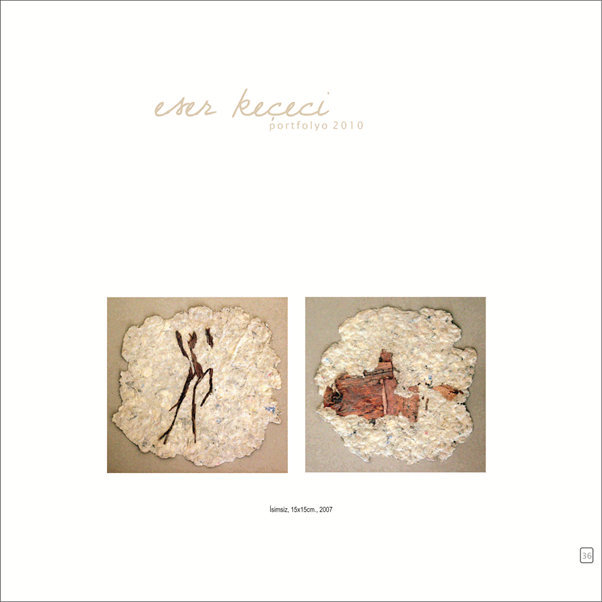
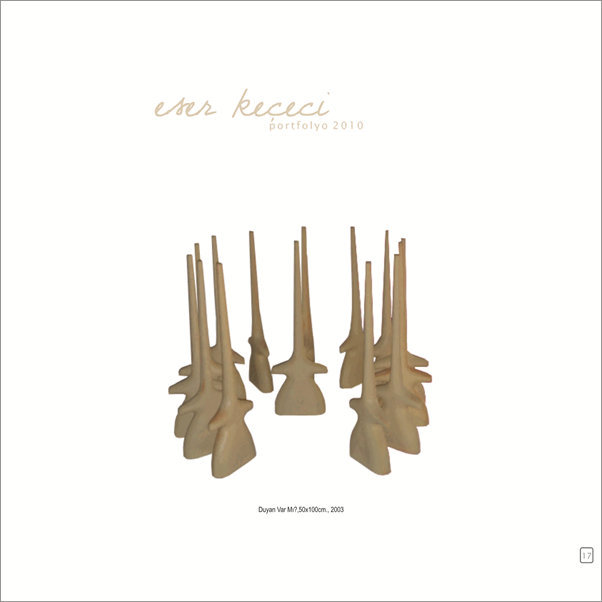
At the end of the fourth week of the project, documentation of lived experience was presented alongside documentation of performance in the form of a performance/installation/exhibition. The shape of this event was based on the idea of a triptych and the three panels in the triptych corresponded to the three spaces in the building in which the event took place: the first panel was on the roof in sight of the military checkpoints and the sounds of the city, the second panel was in theARTspace, a gallery on the first floor, and the third panel was in an inner courtyard behind the building. [8] In the first panel the audience saw documentation of Eurydice outside the palace where she hears news of the death of her son; and in the second panel there was documentation of her dead body publicly revealed. [9] Finally, in the third panel (unseen in the play except through the eyes of a messenger) we attempted to create a sequence of actions that invited an audience to consider what might be hidden behind Eurydice’s silence within the contemporary context in which we were working. In this next clip which is of a daytime rehearsal of this third panel, you will see Economou laying out a series of sculptures created by a Turkish Cypriot artist Eser Ceçeci in the shape of a thorax. As she lays them out, the audience hears fragments of Sophocles’ text from the Messenger’s speech, and responses from the Chorus at a later point in the scene. This audio recording has the tone of an interior monologue and the audience are invited to understand it as being thoughts within Eurydice’s head.
In representing Eurydice’s suicide then, within this final event, the attempt was to offer the audience a multiple set of references comprised of documentation of micro performance presented alongside documentation of lived experience, and to invite members of the audience to move between the three spaces of the building in their own time, to negotiate their way in and out of those references, and finally to bring them to the embodiment of the third panel in which the bones Eurydice lays out implicitly represent in turn: those of Polyneices, those of her son, those of her own body, and finally those exhumed from the dust and earth of Cyprus.
The fragment of text we chose for this third panel comes from towards the very end of Sophocles’ play, and seems to me to respond to the very heart of the need for burial: ‘We must do something with what lies before us’ (Line 1334). This sentence is spoken by the Chorus in the play and inherently carries within it the two meanings of ‘before’: that is, ‘in front of us’ referring to the body lying on the ground, and also ‘before us’ suggesting an imperative to look towards the future.
The question, then, that we tried to open up in the case study – within the context of Cyprus – relates to how to locate, and put to rest, the unburied dead in both communities. For, in order for the missing dead to be buried, they first need to be found, and in order for them to be found, people on both sides need to break their silence. We understood, also, from the CMP, that there is some urgency to this issue, because time is passing, those who have the information are growing old, and there is imminent danger of their knowledge being buried with them. The apparently straightforward polemic of this argument, however, was not something we tried to address directly in the project. Instead, we attempted to open up a space in which different performance languages might dialogue with each other, a ‘democratic’ space which invited listening as much as speaking, mutual empathy rather than partisan debate, and which created a sense of shared content and concern. [10]
NOTES
- It is driven by research questions, which are selected at the outset, but which may be redefined as a project progresses;
- There is an emphasis on process as much as artistic product;
- The dissemination of outcomes is through a variety of means, only one of which is written reflection. Two other processes of dissemination are seen as being of key importance to the notion of ‘practice as research’: firstly, performance itself is often argued as being the embodiment of results; and secondly, audio/visual means are helpful in reflecting the emphasis on process, as well as the embodiment through performance.
[2] The ‘democratic’ processes for creating the event were a continuation of inter-arts methods that the core group of artists has been evolving since first starting working together in 2003: Arianna Economou (choreographer, dancer and Director of Echo-Arts), Peter Hulton (video artist, documenter and Director of Arts Archives), Ilker Kaptanoglu (musician and composer), Horst Weierstall (visual artist, documenter and video artist) and myself Dorinda Hulton, (director and dramaturg). Other artists involved in the project were Chrisanthy Christoforou (video artist), Aggela Chimona (video artist) and Eser Keçeci (ceramicist).
[3] This notion of non hierarchical method refers to artistic form and aesthetic as much as it does to relative importance of roles assumed in the processes of creating performance (performer, dramaturg, documenter, director, visual artist, video artist, musician, composer, sculptor etc.).
[4] Father Paraskevas, Director of the Office of the Bishop of Kykkos and Tilyrias
[5] Usten Imsel
[6] Eurydice’s silence within the play, of course, has to do with her status as a woman, and in looking at the ancient Greek text, the dancer with whom we were working was struck by the untranslatable connotations associated with the imagery. In the ancient Greek, for example, Economou understood the term ‘maidservants’ (Line 1189) as referring to ‘those who had given themselves up to the service of others, those who had no voice’.
[7] Instead of video documentation, we used the performer’s voice to audio document the sounds she could hear, as well as those she could imagine relating to the Messenger’s narrative from the play. This material was interwoven with the performer’s memory of the contemporary narratives of Celâl and Kyriakou.
[8] The idea of the triptych echoes Eurydice’s first two appearances in the play, and, also, her disappearance inside the palace. We were mindful of the fact, however, that whilst her disappearance, occurs chronologically between her two appearances, the audience only experiences its consequences afterwards, through the eyes of the messenger. The event was, therefore, organised according to this second order.
[9] The public revelation of Eurydice’s dead body was accompanied by the sentence in three languages from Michael Ewans’ translation: ‘It is no longer hidden, you can see’ (Line 1292).
[10] Since the case study discussed in this paper, we have developed the piece further. The new version entitled Collateral Damage: The Silence of Eurydice explores a different performance/audience configuration.